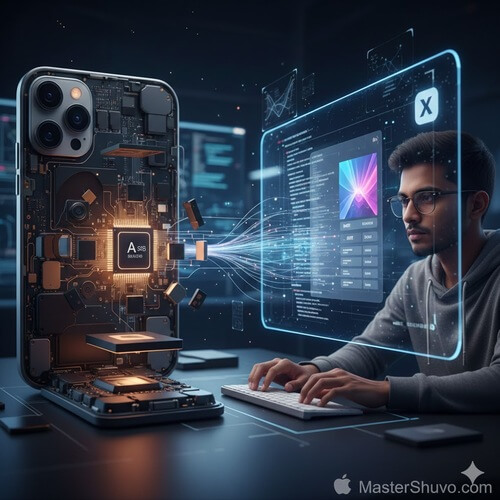
Who is an iPhone Engineer?
In the world of technology, few devices command as much respect and fascination as the iPhone. But behind the sleek titanium edges and the fluid animations of iOS lies the work of thousands of highly skilled professionals.
If you’ve ever wondered who actually builds these devices—or if you’re considering a career in this prestigious field—this guide is for you. Today, we’re exploring exactly what it means to be an iPhone Engineer.
Defining the iPhone Engineer
Unlike a “web developer” who might work on a variety of sites, an iPhone Engineer is a specialist. However, the term is broad and usually refers to two distinct paths:
-
Hardware Engineers: The people who design the physical components (the A-series chips, the camera sensors, and the logic boards).
-
Software Engineers (iOS Developers): The people who build the operating system (iOS) and the applications that run on it using languages like Swift and Objective-C.
In this article, we will focus on the iOS Software Engineer, as this is the most common career path for those looking to enter the Apple ecosystem.
Core Responsibilities: What Do They Do Every Day?
Being an iPhone Engineer isn’t just about writing code; it’s about solving complex problems within a very strict set of hardware limitations. Their daily tasks include:
1. Developing with Swift and SwiftUI
Modern iPhone engineers primarily use Swift, Apple’s powerful and intuitive programming language. They use SwiftUI to build modern, responsive user interfaces that look beautiful on everything from the iPhone SE to the iPhone 15 Pro Max.
2. Ensuring App Performance
Apple users expect “buttery smooth” performance. An engineer spends a significant amount of time optimizing code to ensure apps don’t lag, don’t overheat the phone, and—most importantly—don’t drain the battery excessively.
3. Integrating Hardware Features
iPhone Engineers have the unique task of making software “talk” to the hardware. This includes:
-
Integrating FaceID for security.
-
Utilizing Lidar for Augmented Reality (AR) apps.
-
Optimizing the Neural Engine for on-device Machine Learning.
4. Maintaining Security and Privacy
Apple brands itself on privacy. iPhone engineers must implement strict data encryption and adhere to Apple’s “App Tracking Transparency” (ATT) frameworks to ensure user data remains safe.
The Essential Toolkit of an iPhone Engineer
To succeed in this role, you need to master a specific set of tools provided by Apple:
-
Xcode: This is the “Integrated Development Environment” (IDE) where all the magic happens. It’s where you write code, debug, and preview designs.
-
Cocoa Touch: The library used to build touch-driven interfaces.
-
TestFlight: The platform used to distribute beta versions of apps to testers before they go live.
-
App Store Connect: The gateway through which engineers submit their finished products to the global market.
How to Become an iPhone Engineer
If you want to see your code running on millions of iPhones, here is the roadmap:
-
Learn the Fundamentals: Start with basic programming logic. Understanding how data structures and algorithms work is vital.
-
Master Swift: Swift is the backbone of the Apple ecosystem. It is safer, faster, and more modern than its predecessor, Objective-C.
-
Build a Portfolio: Start by building simple apps—a weather app, a to-do list, or a calculator. Upload these to GitHub to show your progress.
-
Understand HIG: Apple has a “Human Interface Guidelines” (HIG) document. To be a true iPhone engineer, you must understand Apple’s philosophy on design and user experience.
-
Get Certified (Optional): While not always necessary, Apple offers various certifications that can help your resume stand out.
Why Is This Career So Popular?
There are several reasons why developers flock to the iPhone ecosystem:
-
High Earning Potential: iPhone engineers are among the highest-paid software developers in the world, with senior roles often reaching six-figure salaries.
-
Quality Over Quantity: The Apple App Store generally generates more revenue than the Google Play Store, meaning companies are willing to invest more in high-quality iPhone developers.
-
The “Cool” Factor: There is an undeniable prestige in saying you build products for the world’s most recognizable tech brand.
Final Thoughts
An iPhone Engineer is more than just a programmer; they are a bridge between human desire and cutting-edge technology. They are responsible for the tools we use to communicate with family, run our businesses, and capture our most precious memories.
Whether you are looking to hire one or become one, understanding the depth of this role is the first step toward appreciating the device in your pocket.
For more tech insights and career guides, stay tuned to MasterShuvo.com.
